
Understanding Lighting Styles for a Calm Home
A gentle guide to common lighting styles and how each one shapes the mood of your home, helping you choose lighting that feels warm, intentional, and calming.
1 min read
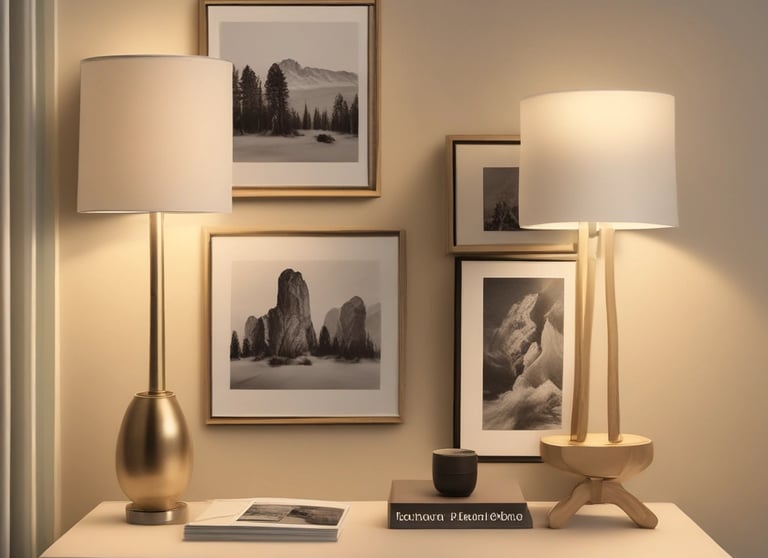
Lighting does more than brighten a room. It quietly shapes how a space feels, how we move through it, and how comfortable we are within it.
When a home feels calm, lighting is almost always part of the reason.
There isn’t one “right” lighting style. Instead, different styles serve different moods, and understanding them helps you choose lighting that supports how you want to feel in your space.
Soft ambient lighting is the foundation of a calm home. This is the gentle, overall glow that fills a room without drawing attention to itself. Floor lamps, shaded table lamps, and warm bulbs all create an atmosphere that feels relaxed and welcoming. Ambient lighting works best when it’s warm and diffused, especially in living rooms and bedrooms.
Task lighting has a more focused purpose. Bedside lamps for reading, desk lamps for working, or a small light near a vanity help you see clearly without flooding the entire room with brightness. When chosen thoughtfully, task lighting can still feel soft and supportive rather than harsh.
Accent lighting is where warmth and personality quietly come in. Wall sconces, picture lights, or small lamps placed intentionally can highlight textures, art, or architectural details. These lights add depth and interest without overwhelming the space, making a room feel layered and considered.
In calm homes, lighting is rarely just one type. A mix of ambient, task, and accent lighting allows the space to shift with the time of day and your needs. Bright when necessary, soft when possible.
What matters most is how the light makes you feel. If a room feels tense, overly bright, or uncomfortable, adjusting the lighting is often the simplest place to start.
Choosing lighting slowly and intentionally helps create a home that supports rest, comfort, and quiet moments. Over time, those small lighting choices become part of what makes a space feel truly calm.
Stay Connected
Follow along for daily softness.
Contact
© 2026 Soft Home Spaces · Privacy Policy · Terms
Some links on this site are affiliate links, which means I may earn a small commission at no extra cost to you.