
The Soft Home Method: A Step-by-Step Guide to Designing a Supportive Space
Discover the Soft Home Method — a simple step-by-step guide to designing a calm, supportive living space that reduces stress and promotes everyday comfort.
CALM HOME GUIDES
3/4/20263 min read
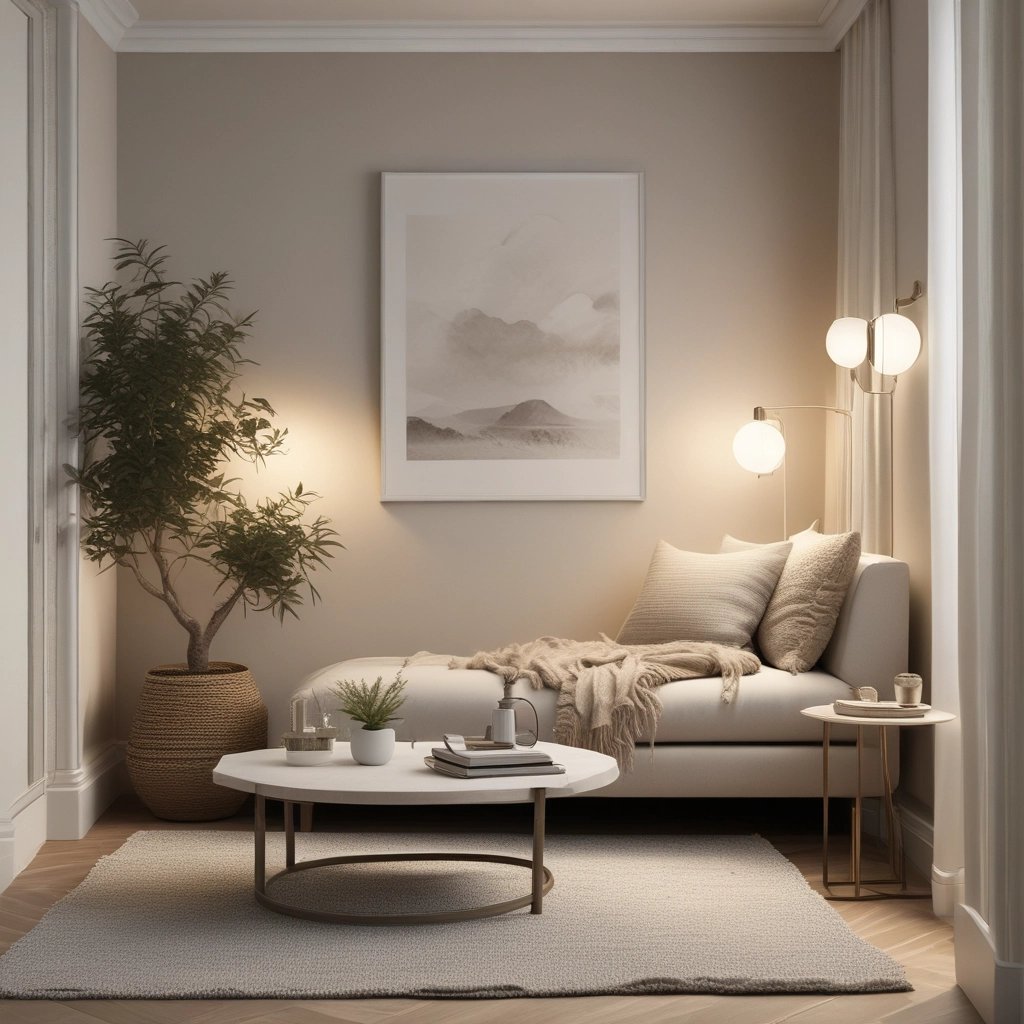
Many home design conversations focus on appearance.
They talk about trends, style categories, color palettes, and perfectly curated rooms. While these elements can be enjoyable, they often overlook something far more important:
How a space actually supports the people living in it.
A truly calming home is not defined by how it looks in photographs. It is defined by how it makes you feel when you move through it each day — whether it allows your body to relax, your mind to slow down, and your routines to feel manageable.
This is where the Soft Home Method begins.
The Soft Home Method is not about perfection, minimalism, or expensive decor. It is a simple, intentional approach to designing a space that feels emotionally supportive and easier to live in.
It focuses on four gentle steps that gradually shift your home from overstimulating to restorative.
Step 1: Reduce Overstimulation
The first step in creating a supportive home is not adding more — it is removing what overwhelms.
Modern environments often contain constant sensory input: visual clutter, bright lighting, competing patterns, and unfinished tasks that quietly keep the mind in an alert state.
When your surroundings send too many signals at once, your nervous system struggles to fully relax.
Common sources of overstimulation include:
• cluttered surfaces filled with small items
• harsh overhead lighting
• crowded storage areas that are always visible
• unfinished projects left in sight
• decor that feels visually busy rather than calming
Reducing overstimulation does not require drastic changes. It simply means creating more visual breathing room.
You can begin by:
• clearing one frequently used surface
• storing items that are not needed daily
• simplifying decorative arrangements
• reducing reliance on bright overhead lights
Even small adjustments can noticeably reduce tension, because they allow your mind to stop processing constant environmental noise.
Step 2: Add Warmth and Comfort
Once overstimulation is reduced, the next step is introducing elements that signal safety and ease.
A supportive home should feel physically and emotionally comfortable, not cold or rigid.
Warmth is often created through sensory details rather than large design changes.
Some of the most effective ways to add comfort include:
• layered lighting instead of single bright sources
• soft textures like blankets, cushions, or rugs
• natural materials such as wood, woven fibers, or linen
• warm color tones that feel gentle to the eye
These elements work because they communicate to the nervous system that the environment is stable and secure.
Comfort is not about decoration — it is about creating subtle sensory cues that allow the body to relax naturally.
Step 3: Create Emotional Anchors
A supportive home does more than look calm. It also feels emotionally grounded.
This happens when certain spaces or objects serve as consistent reminders of stability, safety, or personal meaning.
Emotional anchors can take many forms:
• a quiet corner used regularly for rest
• meaningful objects that evoke positive memories
• a favorite chair associated with relaxation
• a consistent lighting routine in the evening
These anchors help create psychological boundaries within your home. They tell your mind:
“This is where I can slow down.”
Even small emotional anchors can have a powerful impact because they create predictable signals that support calm.
Over time, these signals strengthen the association between your home and a sense of ease.
Step 4: Build Supportive Rituals
A calm home is not created through design alone. It is reinforced by the way you move through it each day.
Supportive rituals help maintain the emotional tone of a space and prevent stress from gradually building again.
These rituals do not need to be complicated.
Simple examples include:
• turning on soft lighting in the evening
• taking a few minutes to reset one small area daily
• opening windows to allow fresh air and natural light
• spending quiet time in a designated rest space
These consistent actions help your environment remain supportive instead of reactive.
Rituals transform a calm home from something static into something actively maintained.
A Supportive Home Is Built Gradually
The Soft Home Method is not meant to be completed all at once.
It is designed to work slowly, through small changes that build upon each other.
By first reducing overstimulation, then adding comfort, creating emotional anchors, and reinforcing supportive routines, your home gradually becomes easier to live in.
This process does not require perfection, large budgets, or complete redesigns.
It simply requires intention and patience.
Your Home Is Meant to Support You
At its core, the Soft Home Method is built on a simple belief:
Your home is not meant to impress others — it is meant to support you.
When your environment feels calmer, warmer, and more stable, it naturally reduces daily stress and allows you to move through life with greater ease.
And that transformation often begins with the smallest shifts — a cleared surface, a softened light, a quiet corner, or a gentle evening ritual.
Over time, these small choices reshape how your home feels and how you feel within it.
Stay Connected
Follow along for daily softness.
Contact
© 2026 Soft Home Spaces · Privacy Policy · Terms
Some links on this site are affiliate links, which means I may earn a small commission at no extra cost to you.